The Evolution of Metaverse Land Prices: Trends, Volatility, and Future Value



In the world of Web3, few assets have generated as much fascination—and volatility—as virtual real estate. What started as a niche concept for gamers has evolved into a legitimate asset class attracting major brands like Gucci, HSBC, and Adidas.
But how exactly do these prices move? Unlike physical real estate, which usually appreciates slowly over decades, Metaverse land prices follow a unique, accelerated trajectory influenced by hype cycles, technological utility, and community adoption.
1. The Four Pillars of Virtual Land Valuation

To understand price evolution, investors must first understand what gives a digital plot value. It is not just pixels; it is about context.
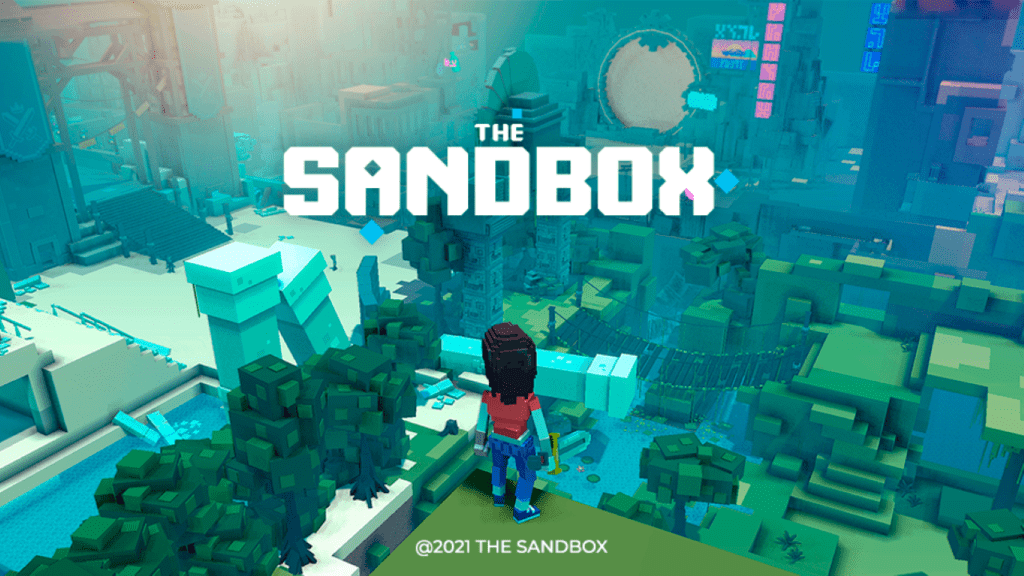
- Location, Location, Location: Just like in the physical world, proximity matters. In The Sandbox, land near celebrity estates (like Snoop Dogg’s) commands a premium. In Decentraland, plots near “Genesis Plaza” (where players spawn) are significantly more expensive.
- Scarcity: Most reputable Metaverses have a “hard cap” on land. For example, The Sandbox has exactly 166,464 LANDs. This scarcity drives FOMO (Fear Of Missing Out) when demand rises.
- Utility & Interoperability: A plot that sits empty loses value. A plot where you can build a game, host a concert, or sell NFTs retains value.
- Platform Health: The price of the land is inextricably linked to the native token of the platform (e.g., MANA for Decentraland, SAND for The Sandbox). If the user base drops, the token drops, and land prices often follow.
2. The Timeline of Price Evolution

Phase 1: The Discovery (Pre-2021)
In the early days, land was incredibly cheap. Early adopters bought large estates for a few hundred dollars. The market was speculative, driven by a small community of believers who saw the potential of ownership via NFTs.
Phase 2: The “Meta” Hype Cycle (2021-2022)
When Facebook rebranded to Meta in late 2021, the market exploded.
- The Spike: Prices for average plots increased by 300% to 500% in a matter of months.
- The Peak: At the height of the bull market, the cheapest lands (floor price) in major Metaverses were selling for $10,000 to $15,000 USD.
- The Driver: Pure speculation and media hype. Everyone wanted “in” before they understood what they were buying.
Phase 3: The Correction and Utility Shift
As the crypto winter set in, speculative bubbles burst. Land prices corrected significantly, dropping 70-80% from their all-time highs.


- The Shift: This was healthy for the ecosystem. It flushed out short-term flippers and left behind builders and long-term holders.
- Current Trend: Prices are now evolving based on utility. Land is no longer valuable just because it exists; it is valuable if it generates revenue or traffic.
3. How Prices are Evolving Now: The “Builder’s Market”
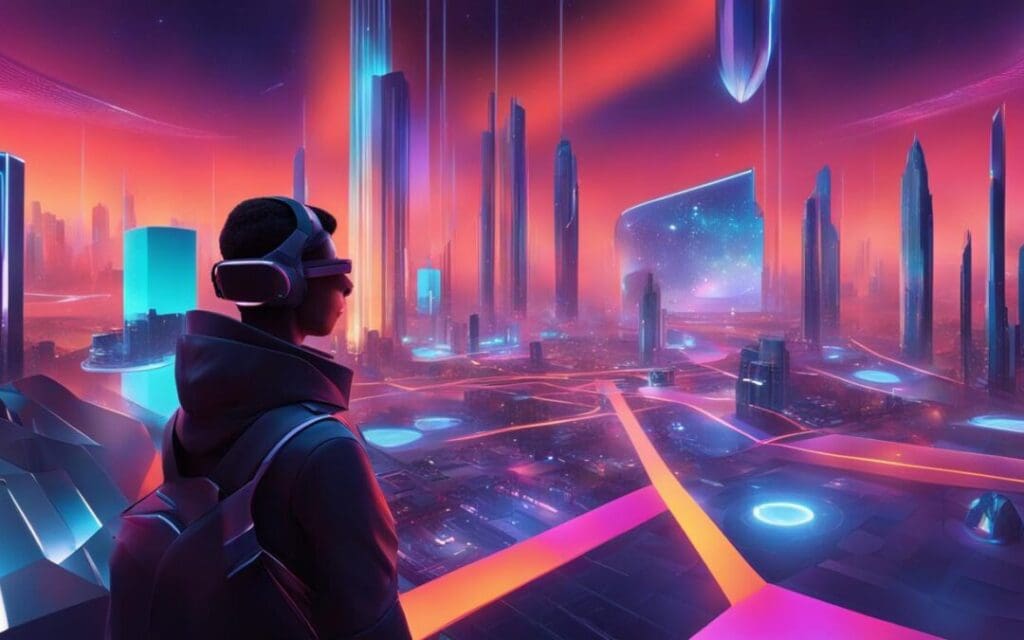
Today, the evolution of price is less about “hype” and more about “development.”
- Commercial Viability: Companies are now renting land rather than buying it outright to test marketing campaigns. This has given rise to a rental market, stabilizing asset prices.
- The Rise of New Worlds: Newer platforms like Otherside (Bored Ape Yacht Club) introduced dynamic land that changes based on resources, adding a layer of gameplay to the price.
- Stable Growth: While the explosive 100x gains are likely gone for established platforms, we are seeing a stabilization similar to physical commercial real estate.
4. Tips for Investors: How to Spot Value

If you are looking to enter the market, use these indicators to judge potential price appreciation:
- Check the “Floor Price” History: Don’t just look at the current price. Use tools like OpenSea or Dune Analytics to see the volume. Is the floor rising because people are buying, or are sellers just delisting?
- Look for “Clusters”: Buying a lone plot in the middle of nowhere is risky. Look for “Estates” or clusters of active communities.
- Community Activity: Join the Discord of the Metaverse project. If the developers are quiet and the users are only talking about prices (not gameplay), it is a red flag.
Metaverse land prices have evolved from a speculative wild west into a more mature, utility-focused market. While the days of overnight millionaires may be behind us, the opportunity for digital commerce and brand expansion keeps the floor prices of top-tier virtual worlds resilient.
For the savvy investor, the strategy has shifted from “buy and hold” to “buy and build.”
FAQ: Metaverse Land Prices
Q: Is Metaverse land still a good investment? A: It carries high risk. However, for those looking at a 5-10 year horizon, owning prime digital real estate in a successful platform could yield significant returns as spatial computing grows.
Q: Which Metaverse has the most expensive land? A: Historically, The Sandbox and Decentraland hold the highest value, though Otherside has seen massive volume due to its association with Yuga Labs.
Q: Can I lose money buying virtual land? A: Yes. If a platform loses its user base or shuts down, the land (NFT) could become worthless. Always diversify.
You may also like this content